
Pierre Huyghe retrospective show at the Centre Pompidou: talking about freedom
-
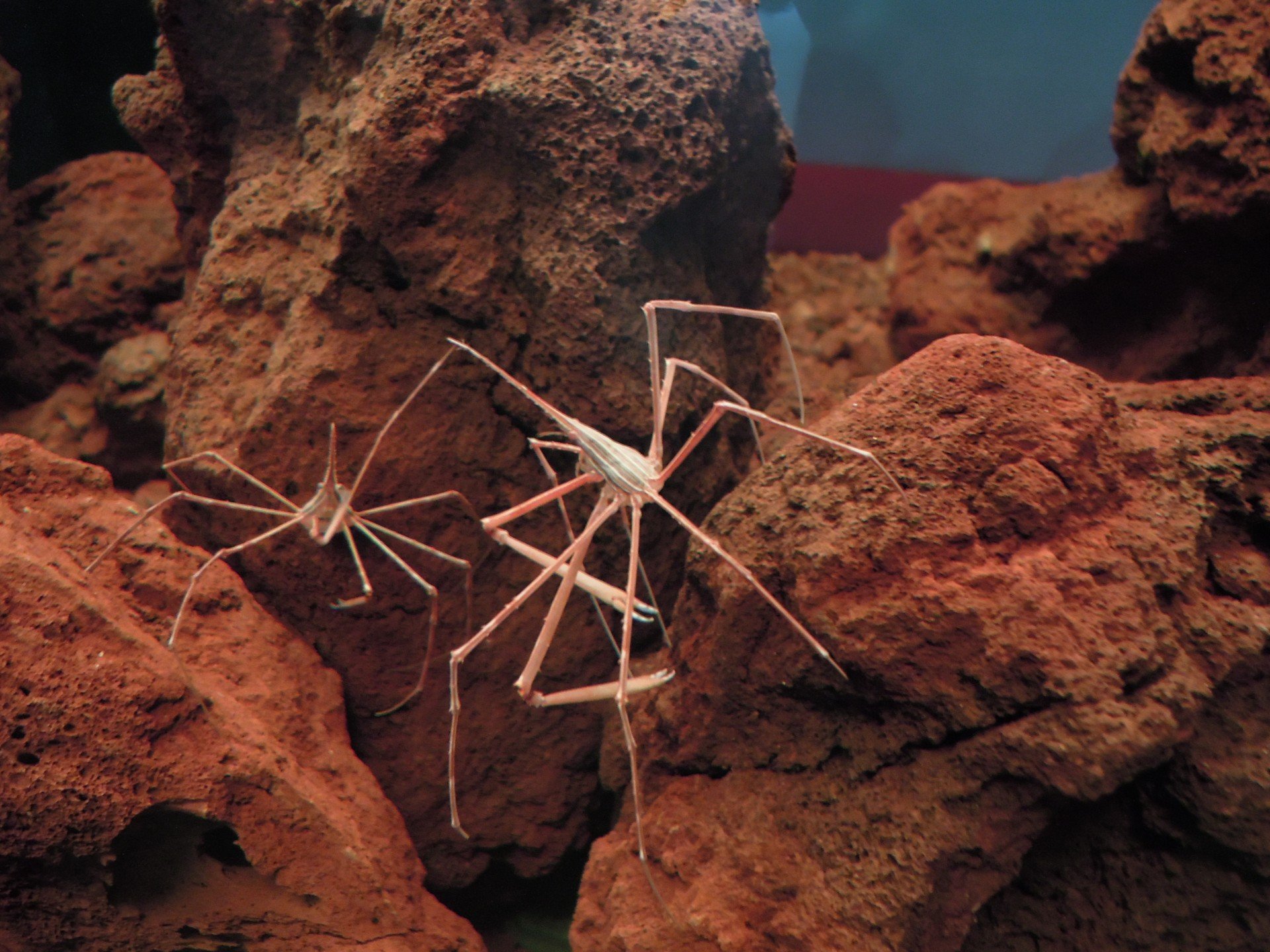
- Zoodram 4, 2011 (after the Sleeping Muse by Constantin Brancusi, 1910). Zoodrams are worlds in themselves, marine ecosystems inhabited by crabs, sea spiders and invertebrates, selected based on their behavior and their appearance. A surreal mineral seascape, unusual rocks floating on the surface of the water, red telluric rocks, the Sleeping Muse inhabited by a hermit crab.
-
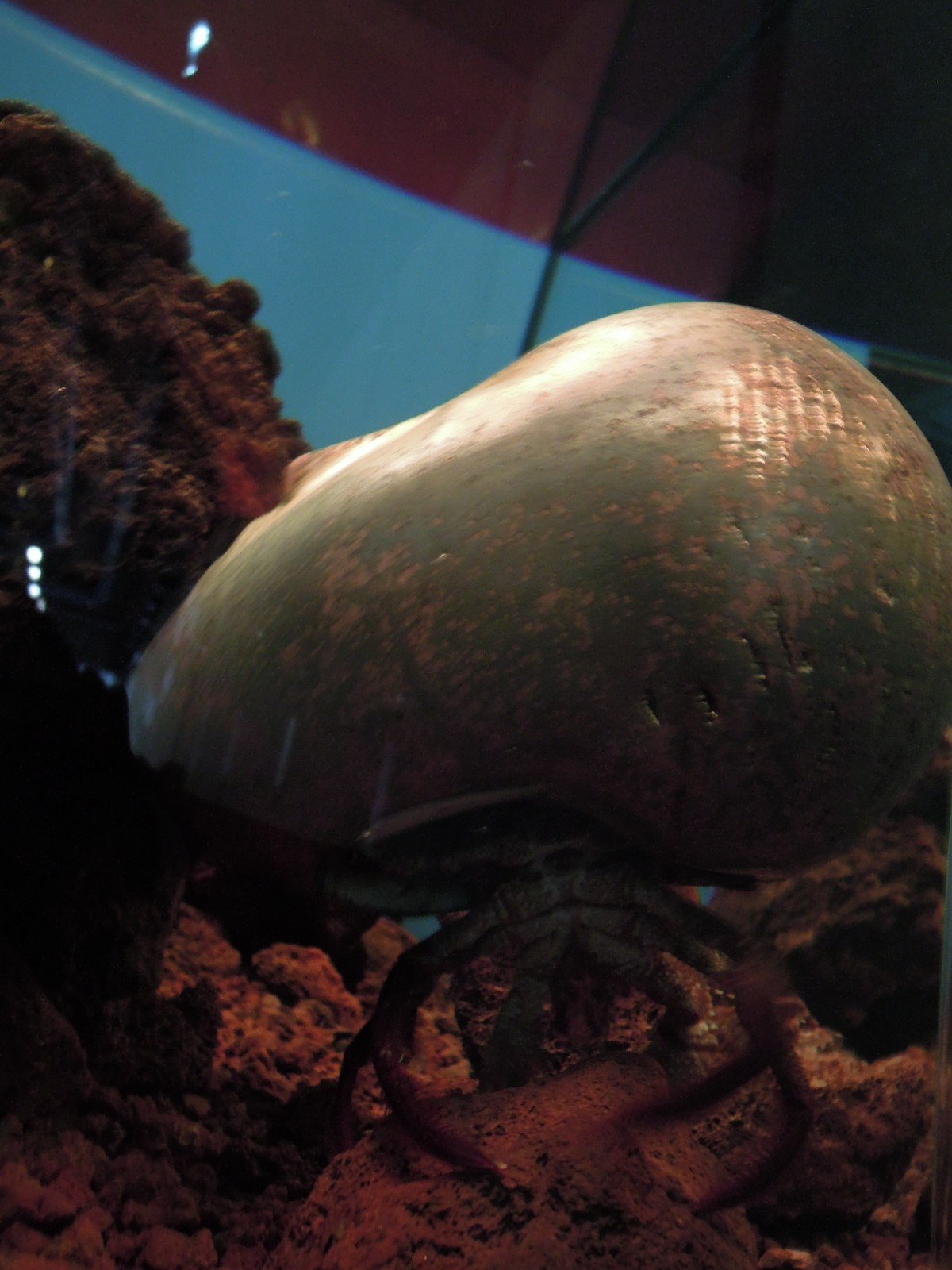
- Zoodram 4, 2011, detail
-
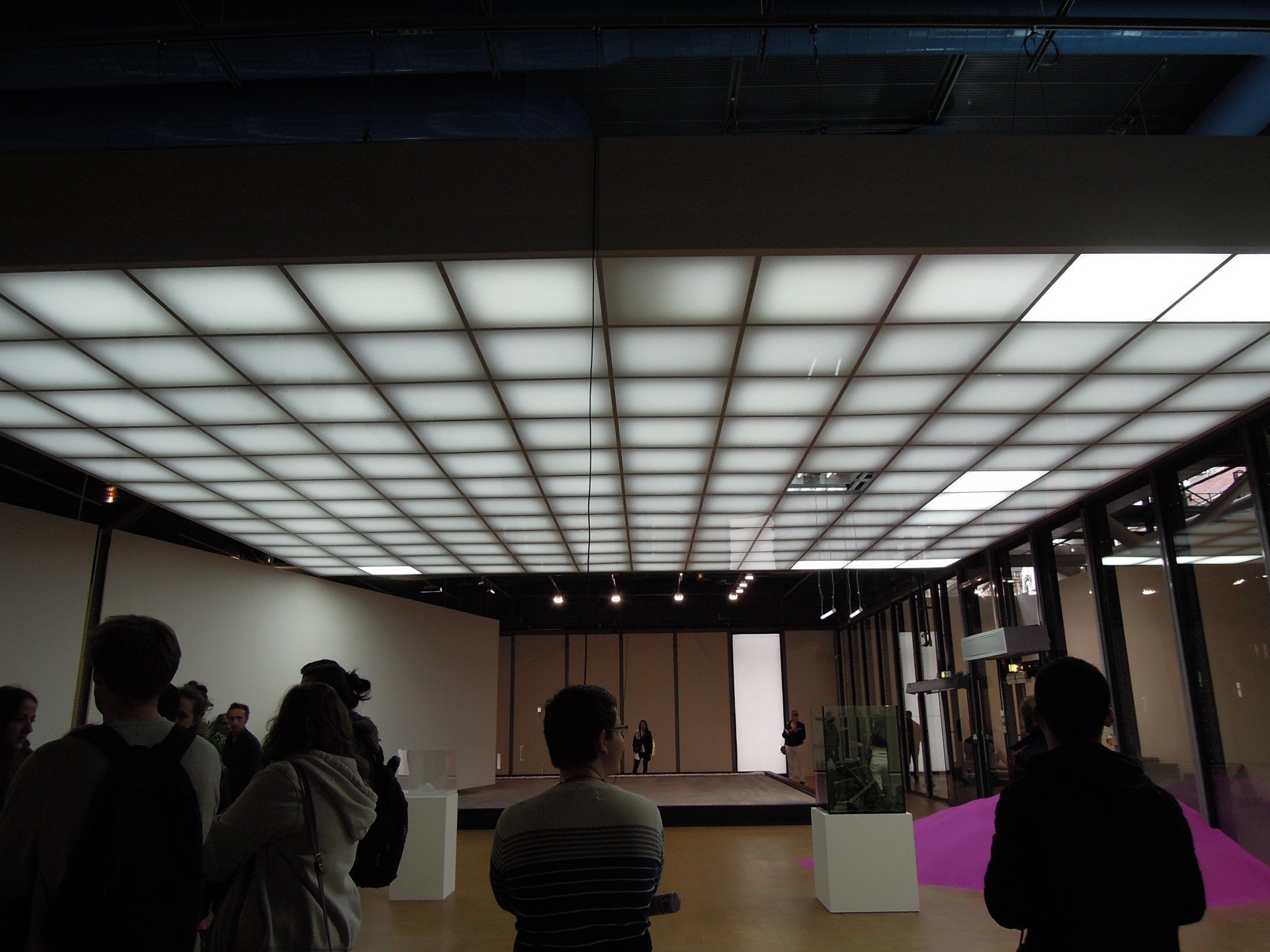
- Atari Light, 1999. The light in an exhibition room is programmed to be transformed into a game. The space and the public are lit up based on the exchange between two people.
-
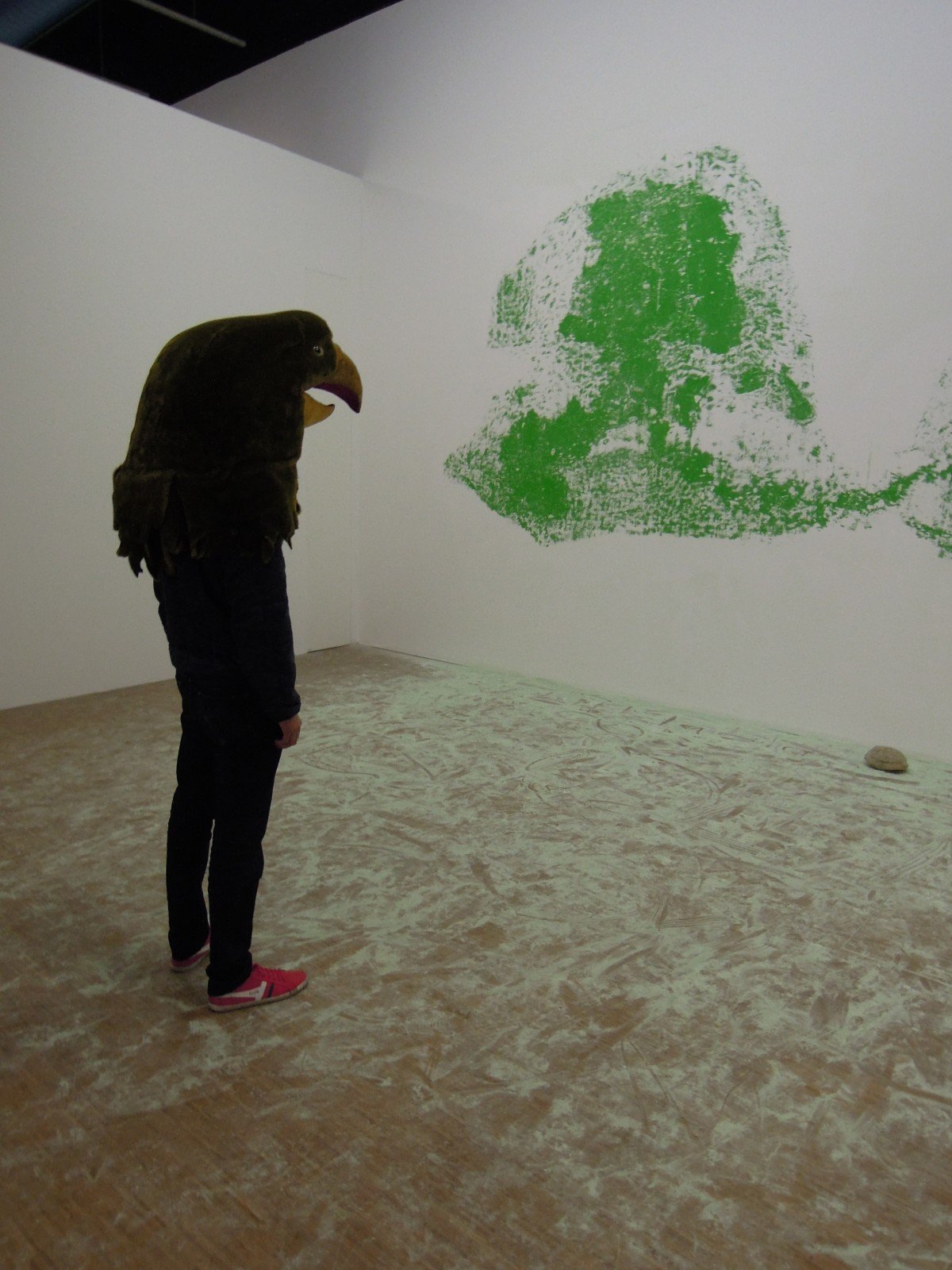
- Le Toison d’Or, 1993. Medieval order whose armorial bearings feature animal heads, Le Toison d’Or, is the coat of arms for the city of Dijon. At the tourist office, leaflets announce an event displaying images before it has taken place. The event is conducted in a park with a zoo and a museum, opposing a social housing block. A group of adolescents wear animals heads over their clothes. They stroll around a playground without a script, carrying historical symbols by way of disguise.
-

- Timekeeper, 1999. A hole in the wall reveals the successive layers of paint left by preceding exhibitions. Archeology of an exhibition space, Timekeeper recalls the growth rings of a tree as well as geological strata.
-
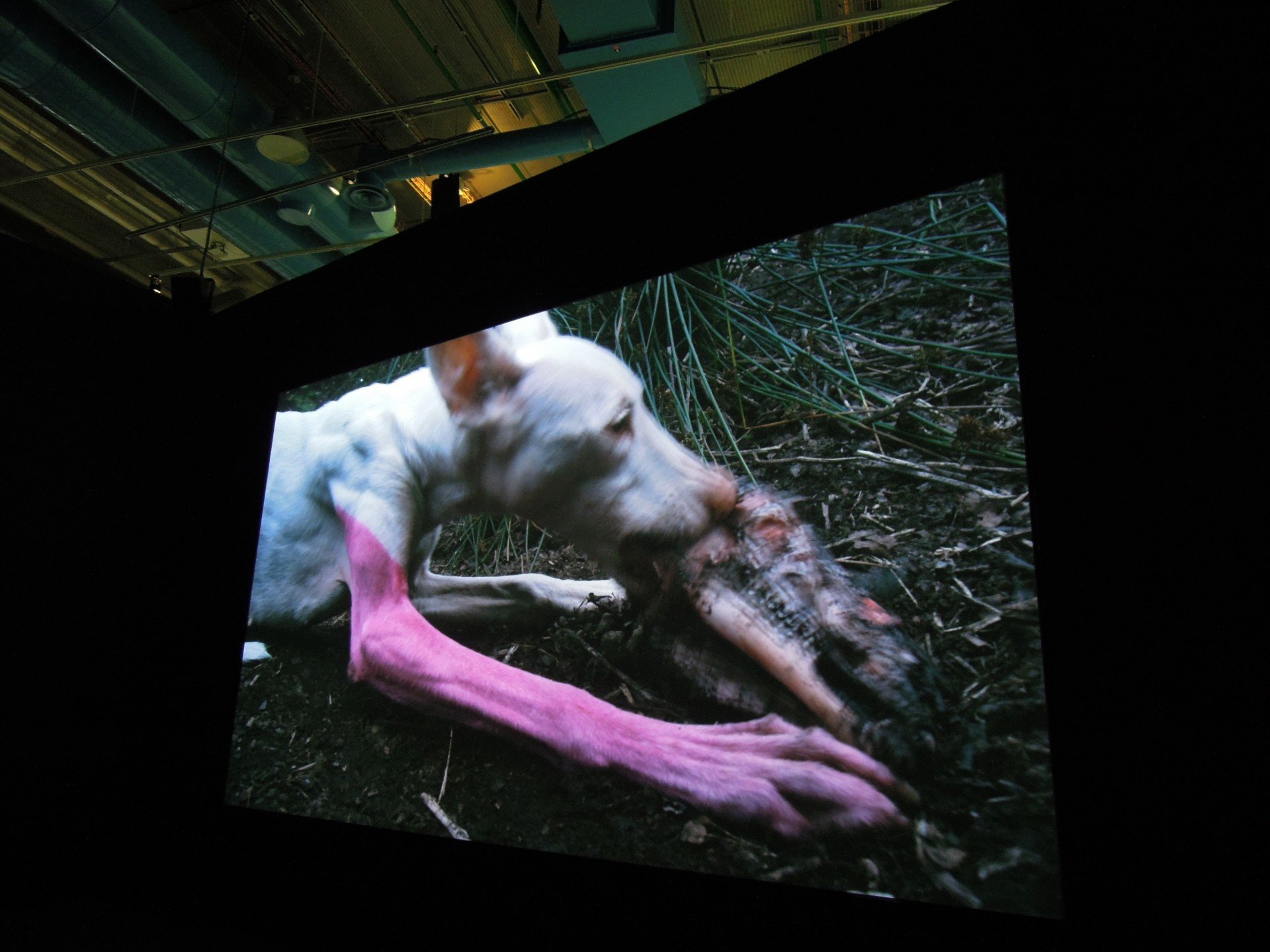
- Untitled, 2011-2012 and A way in untitled, 2012. In the middle of the compost heap of a park during Documenta 13 in Kassel, were placed a number of live entities and inanimate things, made and not made, untilled, usually found there: a bench, a statue, a dog, a human being. This place where dead things are thrown, is also the place of their transformation. Time gradually generates porosity between the forms, between the work of art, the plants and the animal kingdom. In the midst of the clumps of psychotropic plants rises the sculpture of a reclining woman with her head hidden by a swarm of bees. A with dog with a pink leg inhabits this microcosm that engenders decomposition, germination and hybridization.
-

- Untitled (Liegender Frauenakt), 2011. Visitors allergic to bees are advised not to approach the sculpture and forbidden to cross the tiles.
-

- Parevine Curie, Mère Anatolica 1, 1975. This work by Parvine Curie, a sculptor belonging to the New School of Paris, was produced as part of the “1% artistique” for the College Pierre de Coubertin de Chevreuse that Pierre Huyghe attended. It is displayed in its current state, fragmentary and damage.
-
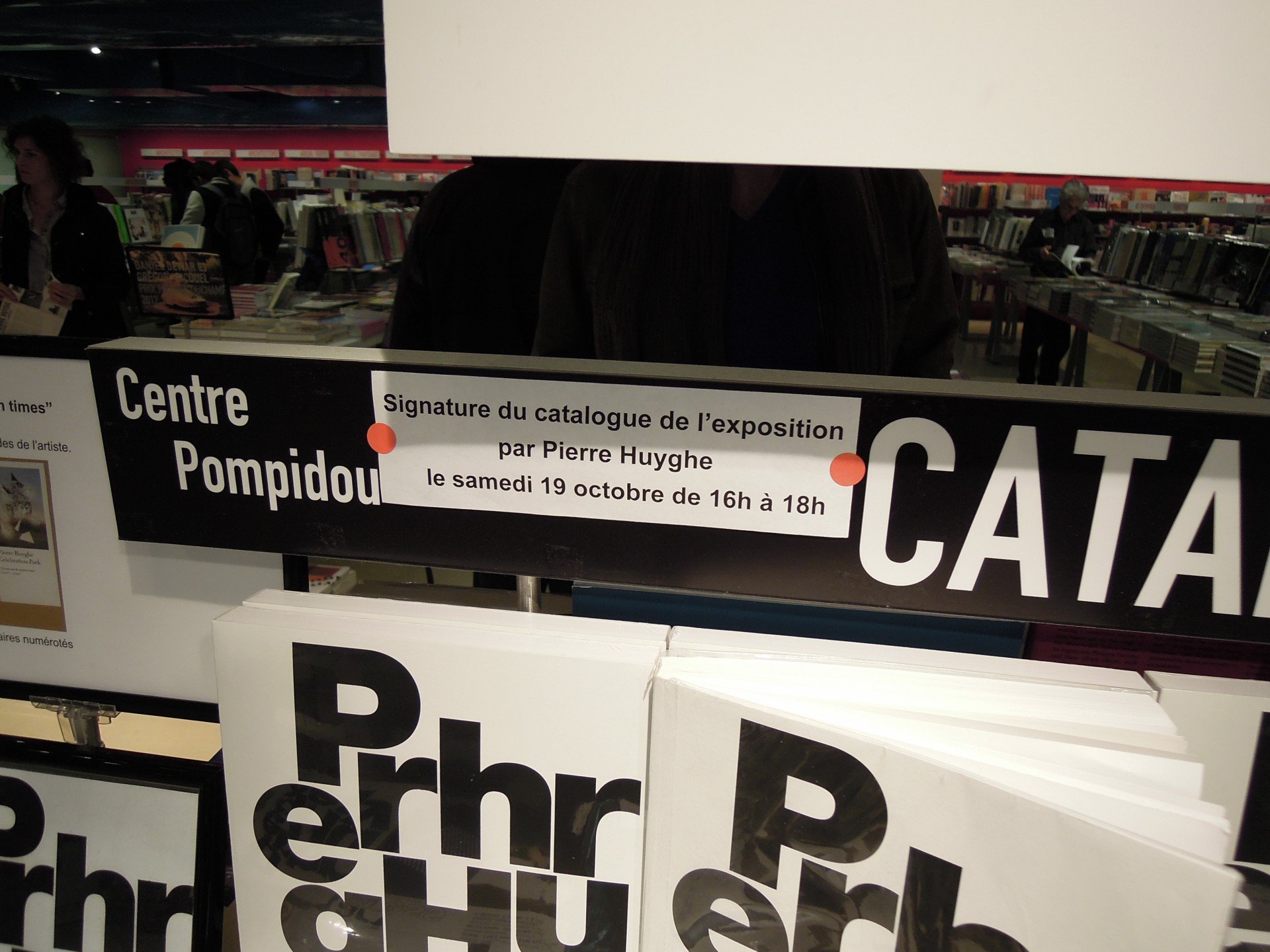
- Exhibition’s catalog signing on October 19th
The show dedicated to Pierre Huyghe at the Centre Pompidou (until January 6 2014) is a must visit, and probably will be a landmark of the time we are living in. Objects, processes and information have rarely been so coherently balanced in the work of an artist, and in the case of Huyghe, it was not easy at all.
The first thing the visitor notices, coming out of the exhibition, is that all the works share the same magniloquent tone. It strongly reminds of the atmosphere of Stanley Kubrick’s movies, or what Johann Winckelmann considered being the main characteristic of the Greek masterpieces: their typical “quiet greatness and noble simplicity”. From the neon ceiling (Atari Light, 1999) to the smoothly moving crustacean carrying the Brancusi’s head of a muse (Zoodram 4, 2011), the same sense of clear wideness is linking one piece to the other.
On the contrary, the very first thing you notice going into the show – especially if it is not too crowded and if you have recently visited Renaissance and dreams at the Musée du Luxembourg (strongly recommend) – is that you are entering a dreamlike ambient filled with psychological symbols and presences which flow one into the other, out of any chronological order.
Then you are in the middle of your visit, probably considering if using living creatures, as the artist does, is fair or not. Spiders, bees, penguins …and that skinny pink leg painted white dog that two years ago seemed so happy and relaxed to move around in a strange and muddy ground in Kassel, but now is so tense and scared. Well, probably it is not fair but if coercion is what you are representing – the dog, the ballerina’s shoes, the aquariums, the guy with the hawk mask, etc…-, then no better way is available.
*descriptions of the works are taken from the effective exhibition’s leaflet.
July 15, 2015

