
Italian Private Contemporary Art Institutions: a Selective Map
We have drawn up a selective list of Italian private institutions dedicated to contemporary art, and found ourselves in a whole new scenario.
In recent years, the Italian contemporary art system has undergone a significant transformation. Private foundations dedicated to the art of our time—and more broadly, philanthropic activities driven by private individuals (even those without formal legal status)—have increasingly assumed a role that was once the almost exclusive prerogative of public institutions. This is not merely a change of protagonists; it is a profound redefinition of the cultural and operational balance of the sector.
These initiatives are the expression of collectors and patrons, inevitably reflecting their sensibilities, visions, and tastes. Yet, they also represent the primary engine for research, experimentation, and support for contemporary art. Through ambitious exhibition programs, artist residencies, and the production of new works, these institutions foster the cultural soil essential for a vital artistic ecosystem. Vision, expertise, and a commitment to investing in younger generations are central to their mission. Conversely, the public sector— drained of expertise before even being drained of resources (the funds exist but are often mismanaged)—too frequently limits itself to serving the visibility of local politicians. For these figures, often lacking any specific competence, art and museums serve as little more than campaign props, funded by taxpayers, particularly in the provinces.
In contrast, collectors and patrons possess deep knowledge alongside intellectual and financial resources. They dedicate time and exemplary devotion to art. Their work moves in parallel with that of galleries, which continue to perform a fundamental role in supporting and promoting artists. Today, the synergy between galleries and private foundations proves more incisively productive than the efforts of the few public museums, which, as noted, are largely exploited for local political gain.
This scenario reflects a broader shift in the relationship between the public and private spheres within the cultural sector. It is likely not a matter of replacement, but the beginning of a new phase of collaboration and redefined roles. A recent signal in this direction came from government policy: the long-awaited decision to lower VAT on art to 5%, a measure designed to make the Italian market more competitive within the European context.
At the same time, public institutions increasingly recognize the private sector as a strategic partner, even for major institutional exhibitions. A prime example is the collaboration between the Venice Civic Museums (Fondazione Musei Civici di Venezia) and the Fondazione Luigi Rovati for the exhibition The Etruscans and the Veneti at the Doge’s Palace, which opened during the Art Biennale. This project demonstrates how public-private cooperation can generate large-scale cultural initiatives by pooling resources, expertise, and international networks. We have written about it here [link].
In the field of contemporary art, however, the picture remains more complex. Italy currently lacks large public institutions capable of providing strong, consistent leadership. On the other hand, various private foundations—from Fondazione Prada to Fondazione Sandretto Re Rebaudengo, along with many others across the country—demonstrate how operational freedom and private investment can produce exceptional cultural programs, often aligned and connected with the best international practices.
This suggests that facilitating private activity does not represent an abdication of the public role, but rather a strategy to strengthen the entire system. Indeed, in many European countries—France, the UK, and Germany among them—the dialogue between public institutions and private initiatives has long been a cornerstone of cultural policy.
One question remains open: the fragmentation of these energies. Italian private foundations tend to act autonomously, without converging around a shared institutional project. Consequently, resources, collections, and expertise remain largely confined to individual entities. Looking ahead, the emergence of a major shared platform, capable of aggregating the strengths of multiple players, could be the next step in this evolution. Rather than a broadly participatory private museum, what is needed are forms of coordination to allow for a collective voice, harmonized strategies, and greater weight on the international stage.
The transformation is already underway. It remains to be seen whether the Italian cultural system can seize this opportunity to build a new framework—one capable of more effectively supporting artistic research and capturing its most authentic values.
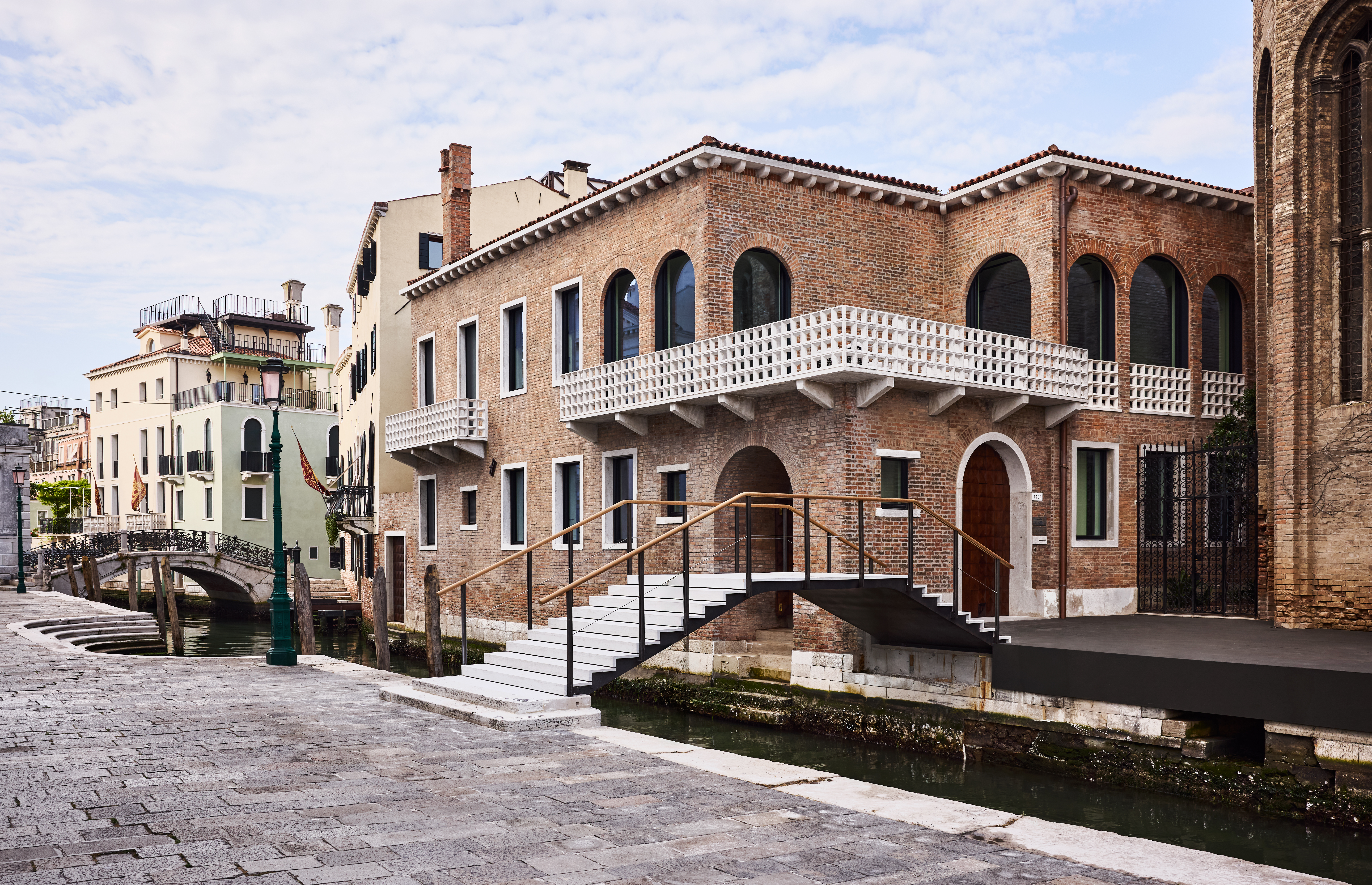
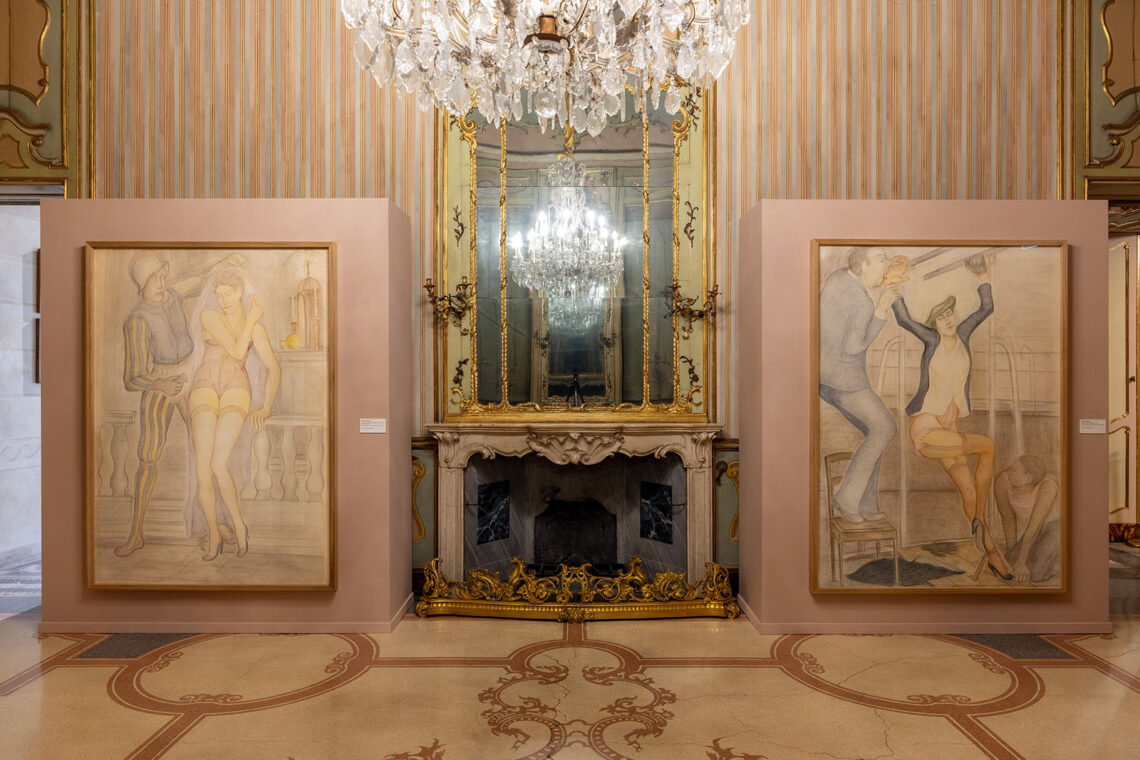
Casa Sanlorenzo opened in Venice in 2025 as a dedicated space for Sanlorenzo Arts, the project through which the nautical brand Sanlorenzo develops its cultural initiatives. In the words of Executive Chairman Massimo Perotti, the goal is to create a hub for programs and collaborations that intertwine contemporary creativity with maritime culture. Designed by Piero Lissoni, the venue is conceived as a flexible environment to host exhibitions, installations, talks, and the maison’s art collection.
Established in 2023, the Fondazione Sandra e Giancarlo Bonollo is based in Thiene, within the restored spaces of the Dimesse monastic complex. The project stems from over thirty years of meticulous collecting and follows two paths: the presentation of works from the founders’ collection and solo exhibitions dedicated to emerging contemporary artists. The Foundation has also launched Pillole d’arte, a pilot project dedicated to introducing young artists who are not yet represented by a gallery.
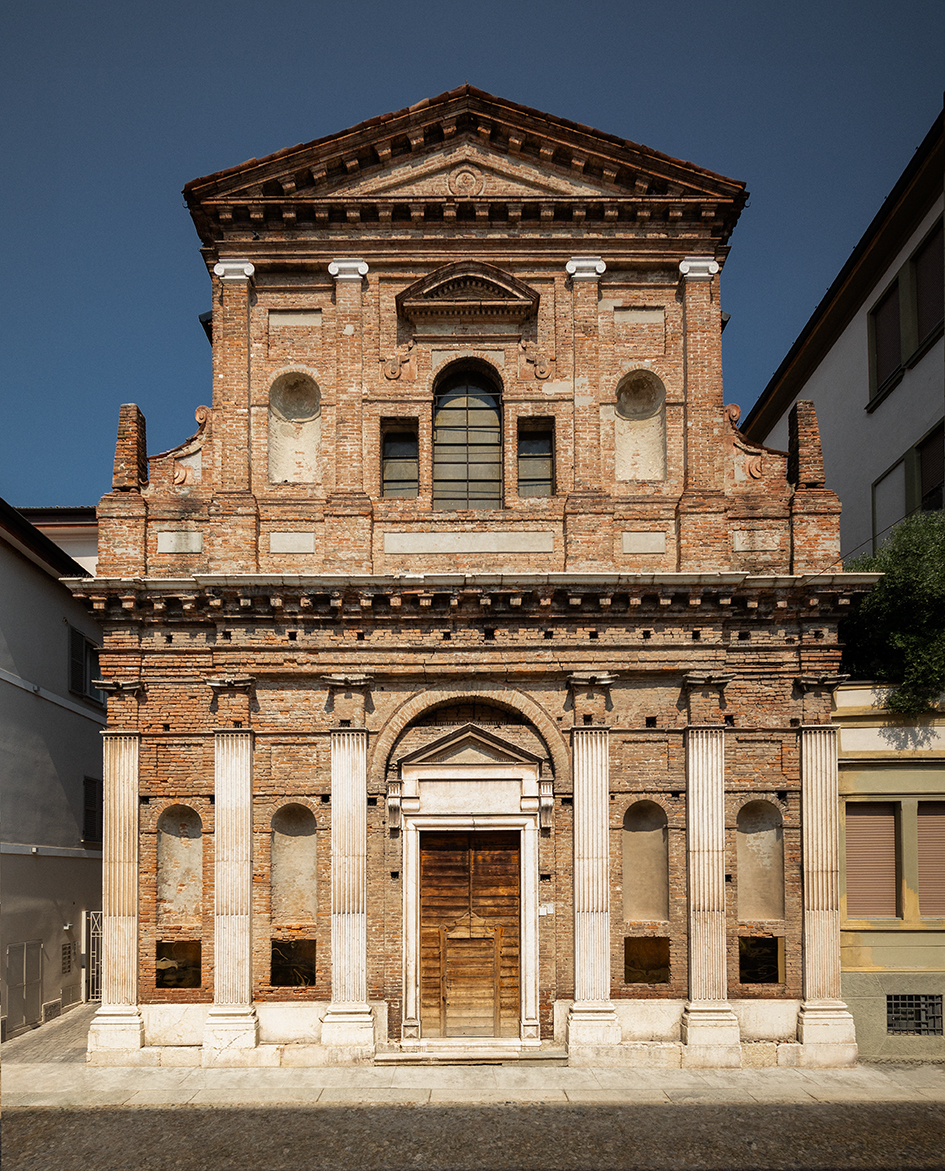
San Carlo Cremona was born in 2021 as a project dedicated to contemporary art within the 17th-century deconsecrated church of San Carlo. Promoted by Lorenzo Spinelli, it has transformed the historic building into a site for artistic experimentation and collaboration, where the architectural dimension becomes a threshold to be crossed. The program, developed in partnership with galleries, focuses on site-specific interventions and monumental works. [Click here to now more about the project, Ed.]
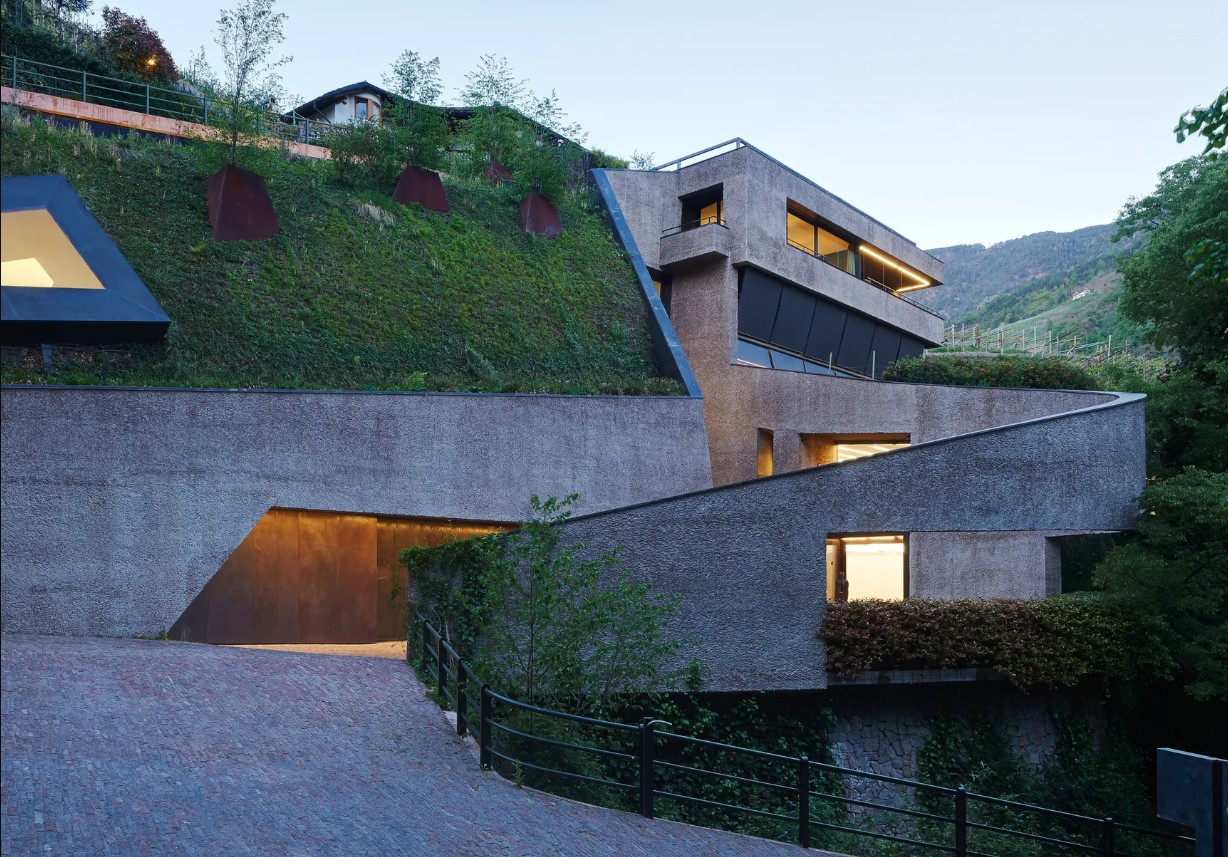
The Fondazione Antonio Dalle Nogare has been active in Bolzano since 2018 and inaugurated its activities under the artistic direction of Vincenzo de Bellis. Born as the evolution of a private museum, the foundation operates in a space that integrates architectural solutions and interventions by artists such as Dan Graham and Robert Barry within the South Tyrolean landscape. Its exhibition programme, dedicated to both emerging and established artists, maintains its connection to the private collection — centred on conceptual and minimalist art of the 1960s and 1970s — while remaining open to dialogue with contemporary research.
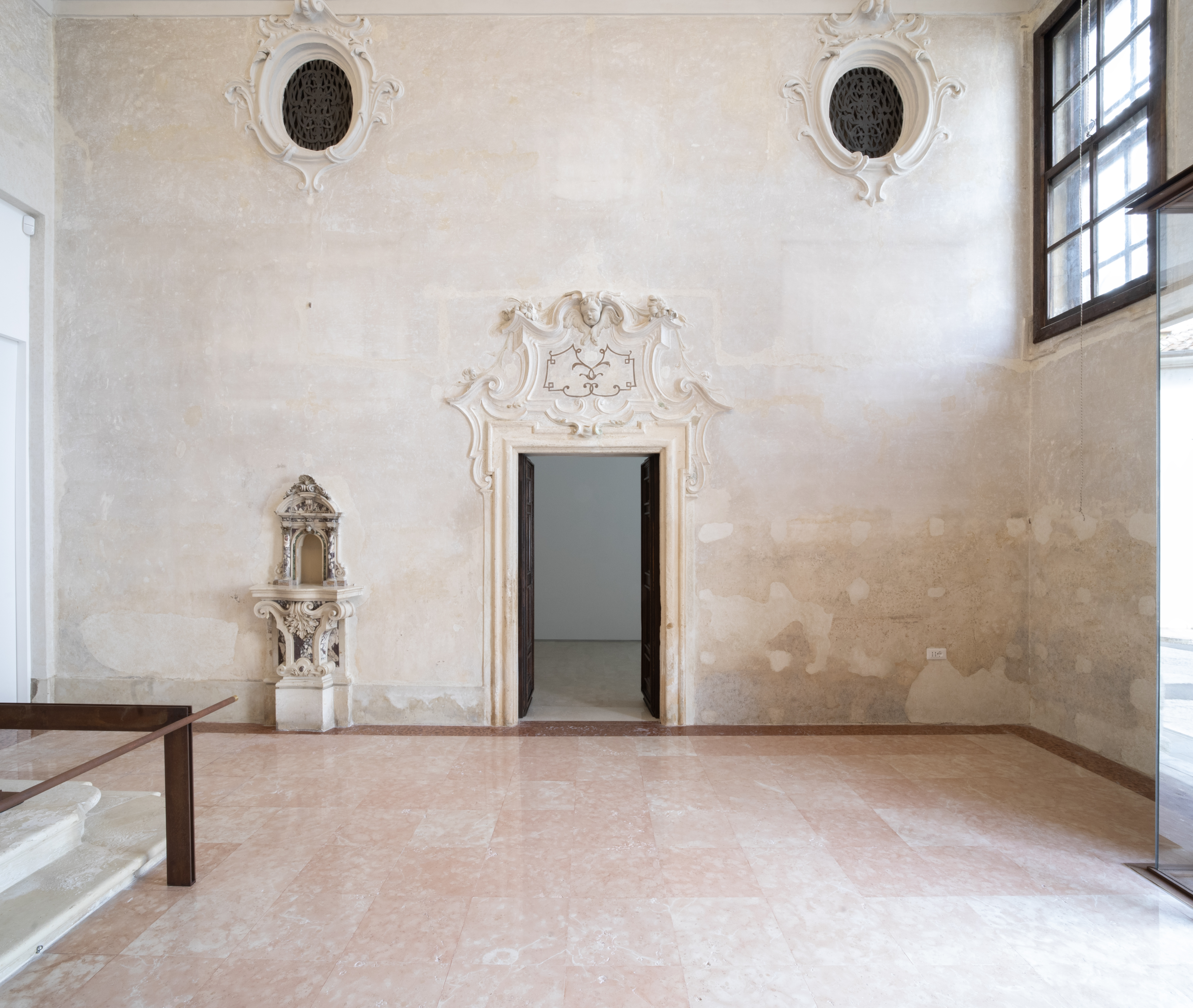
The Fondazione Nicoletta Fiorucci, founded in 2021 by collector Nicoletta Fiorucci, grew out of the experience of the Fiorucci Art Trust, which has supported international artistic research since 2010. Headquartered in London, the Foundation operates as a network of residences, homes, and studios across various European contexts, conceived as spaces for work and dialogue between artists and curators. In 2025, it inaugurated a new Venetian venue, restoring the palazzo inhabited in the 1920s by the painter Ettore Tito.
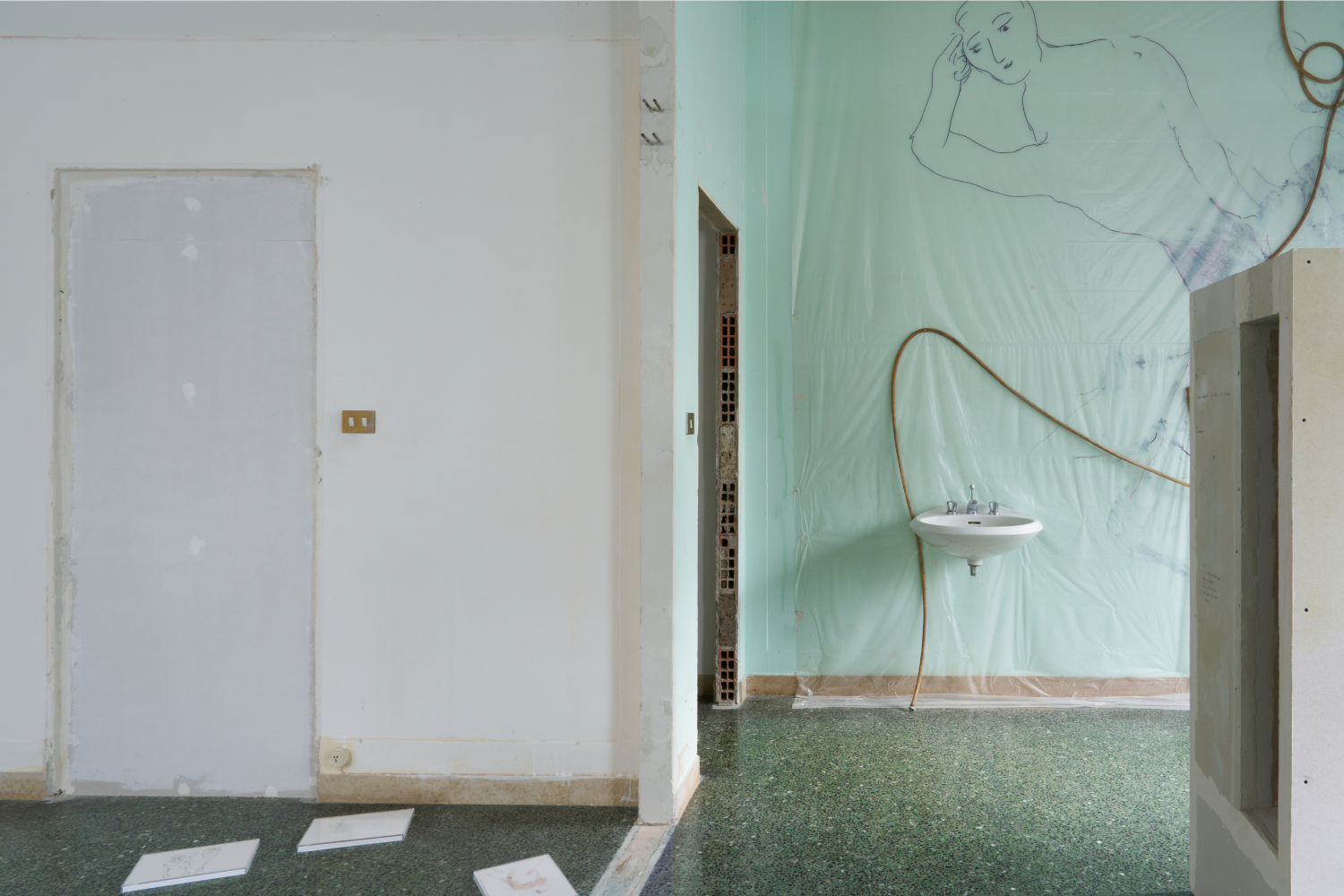
Fondazione Elpis was founded in 2020 by entrepreneur and collector Marina Nissim. Based in Milan, in a former nursing home in the Porta Romana district, its mission is the support and promotion of the emerging art scene, including through nomadic projects spread across the country. Among its primary initiatives, Una Boccata d’Arte involves twenty artists each year, invited to create site-specific interventions in twenty Italian villages, bridging artistic practice and local communities.
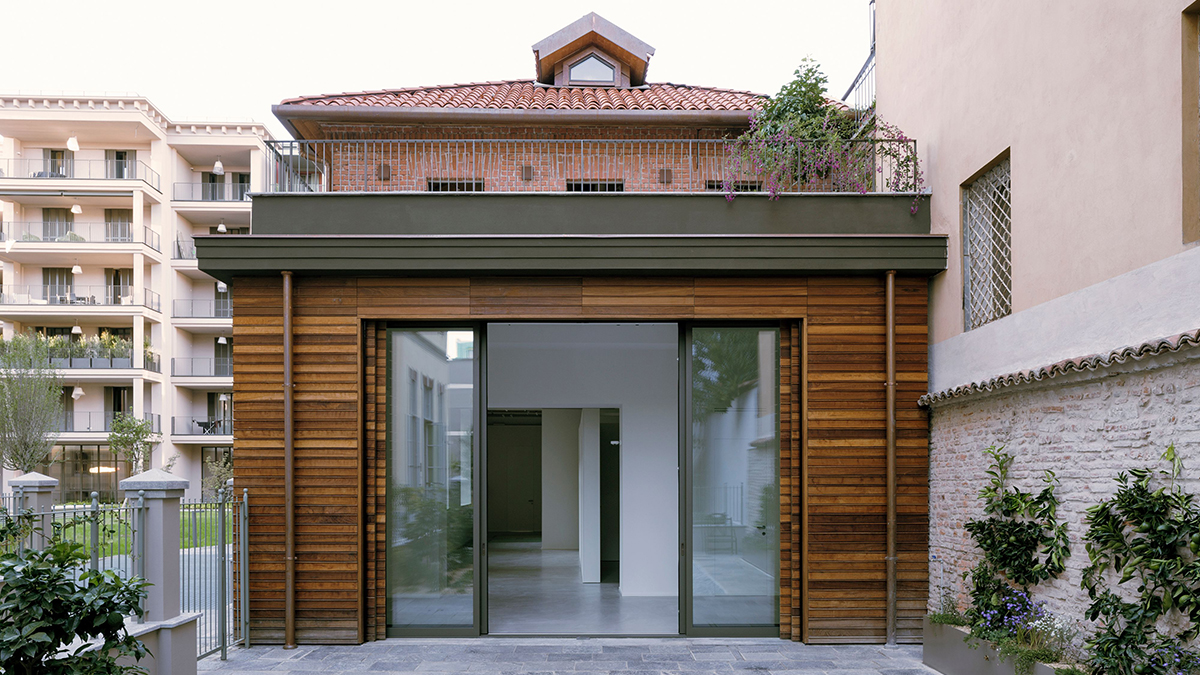
The Fondazione Nicola Del Roscio was established in Rome in 2019 on the initiative of the eponymous curator and collector, as well as president of the Cy Twombly Foundation. Housed in a 1920s palazzo, the institution pairs its cultural programming with initiatives linked to science, the environment, and biodiversity, outlining an approach that intertwines artistic research with reflections on the present. This is reflected in the #ProjectRoom format, which invites young artists to engage with the most urgent issues of our time.
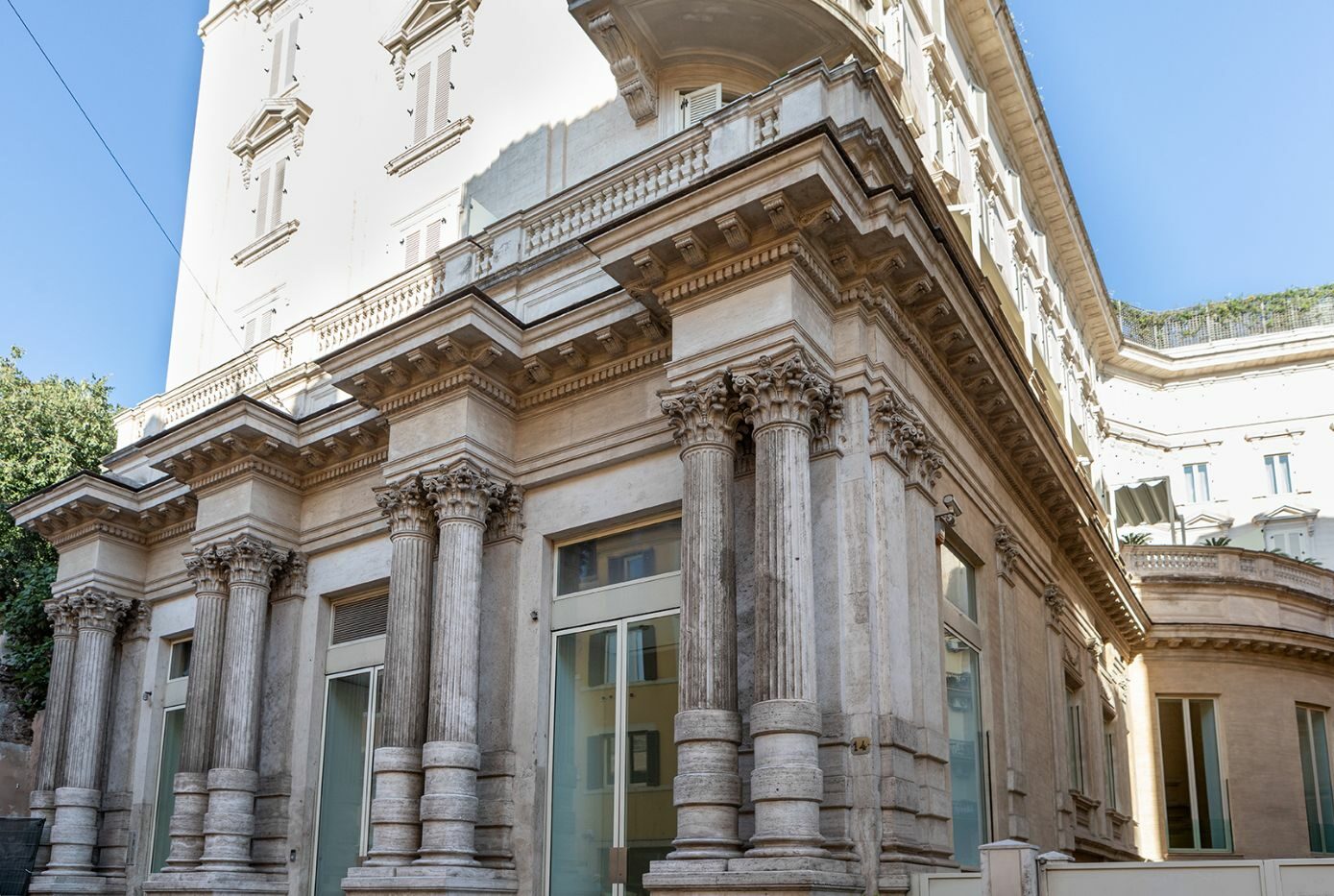
Founded in 2018 in Milan by a group of art world promoters, including director Alberto Salvadori, Fondazione ICA was born as an open and interdisciplinary platform. Drawing inspiration from the Anglo-Saxon model of the Institutes of Contemporary Arts, it embraces this legacy as an active site of cultural production. The decision to establish itself in Milan responds to the density of the city’s cultural fabric, where public and private sectors, major institutions, and independent spaces coexist to generate a uniquely fertile system.
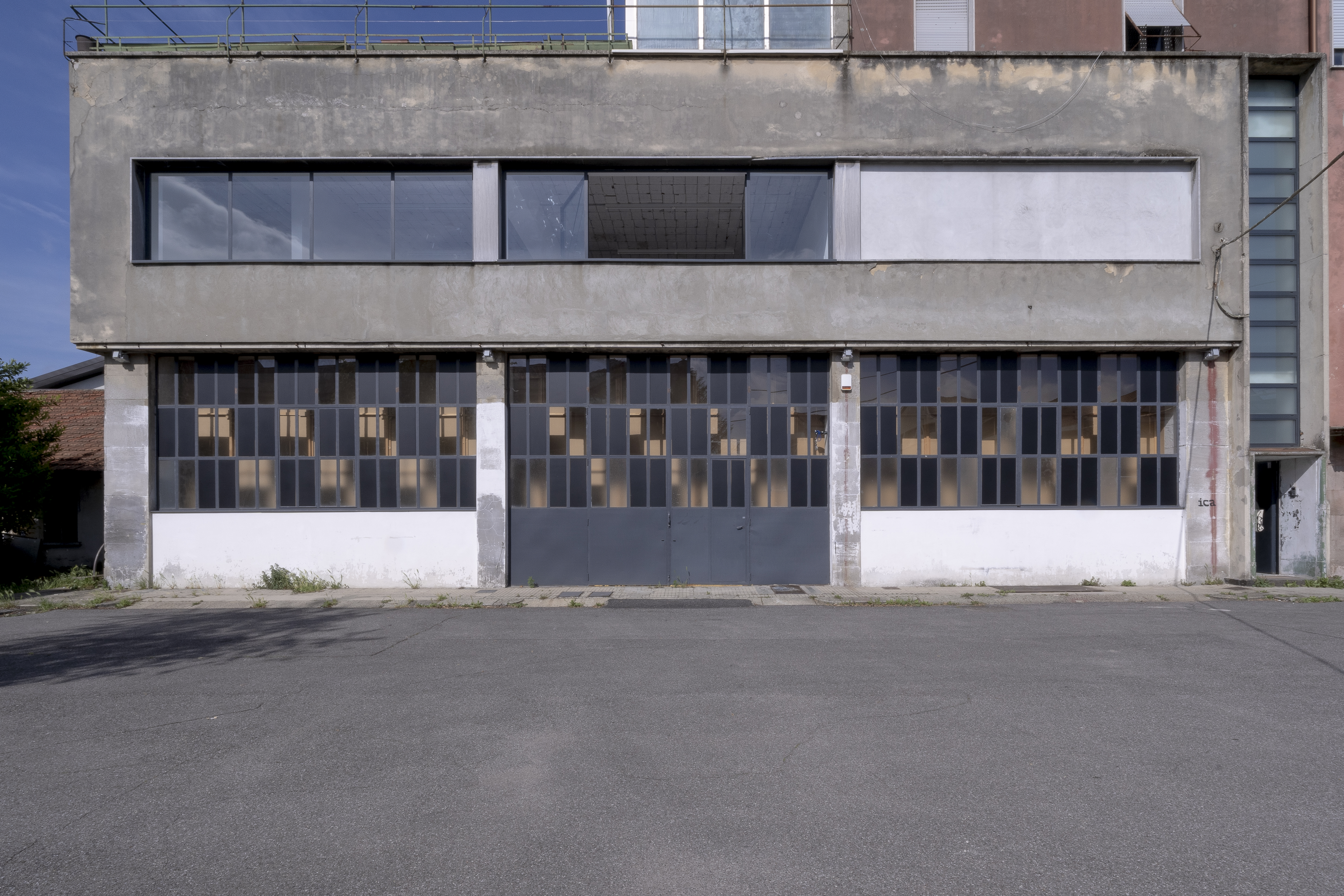
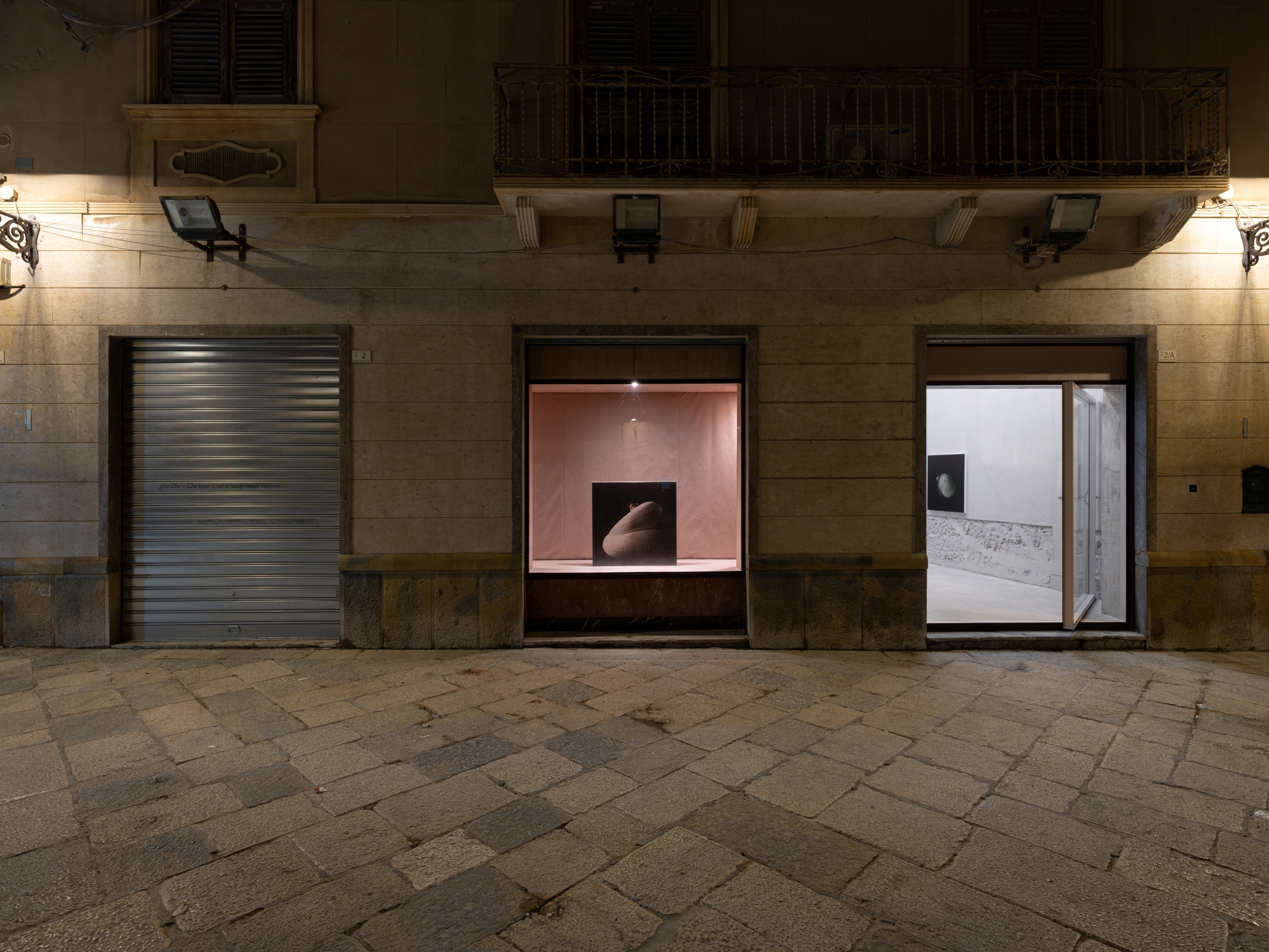
INCURVA is an independent cultural organization based in the historic center of Trapani, active since 2016 in the promotion of contemporary art in Sicily. Since 2025, the exhibition project has been under the artistic direction of Saim Demircan and is characterized by a research- and production-oriented approach. INCURVA facilitates a continuous dialogue between international artists and the local context.
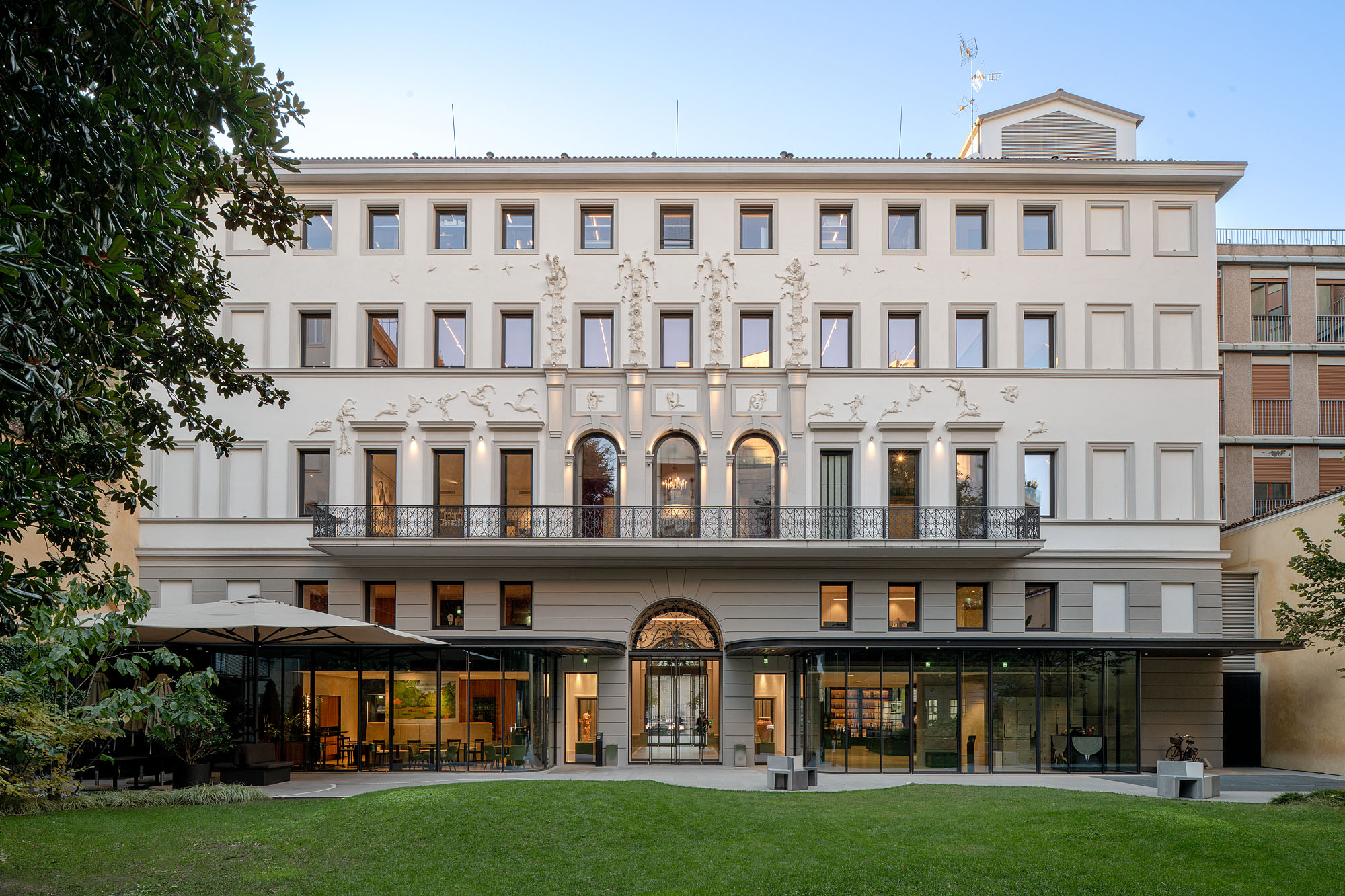
The Fondazione Luigi Rovati was established in Milan in 2016 on the initiative of Luigi Rovati and his family, beginning with a private collection that was progressively expanded through the acquisition of three other significant Italian collections of ancient art. Between 2016 and 2020, the museum project took shape: a scientifically and curatorially defined journey relating extraordinary archaeological materials to contemporary works. The seat opened to the public in 2022 in Corso Venezia, within an exhibition space renovated by Mario Cucinella. [Find here is an interview with Giovanna Forlanelli, President of the Fondazione Luigi Rovati and contemporary art collector, Ed].
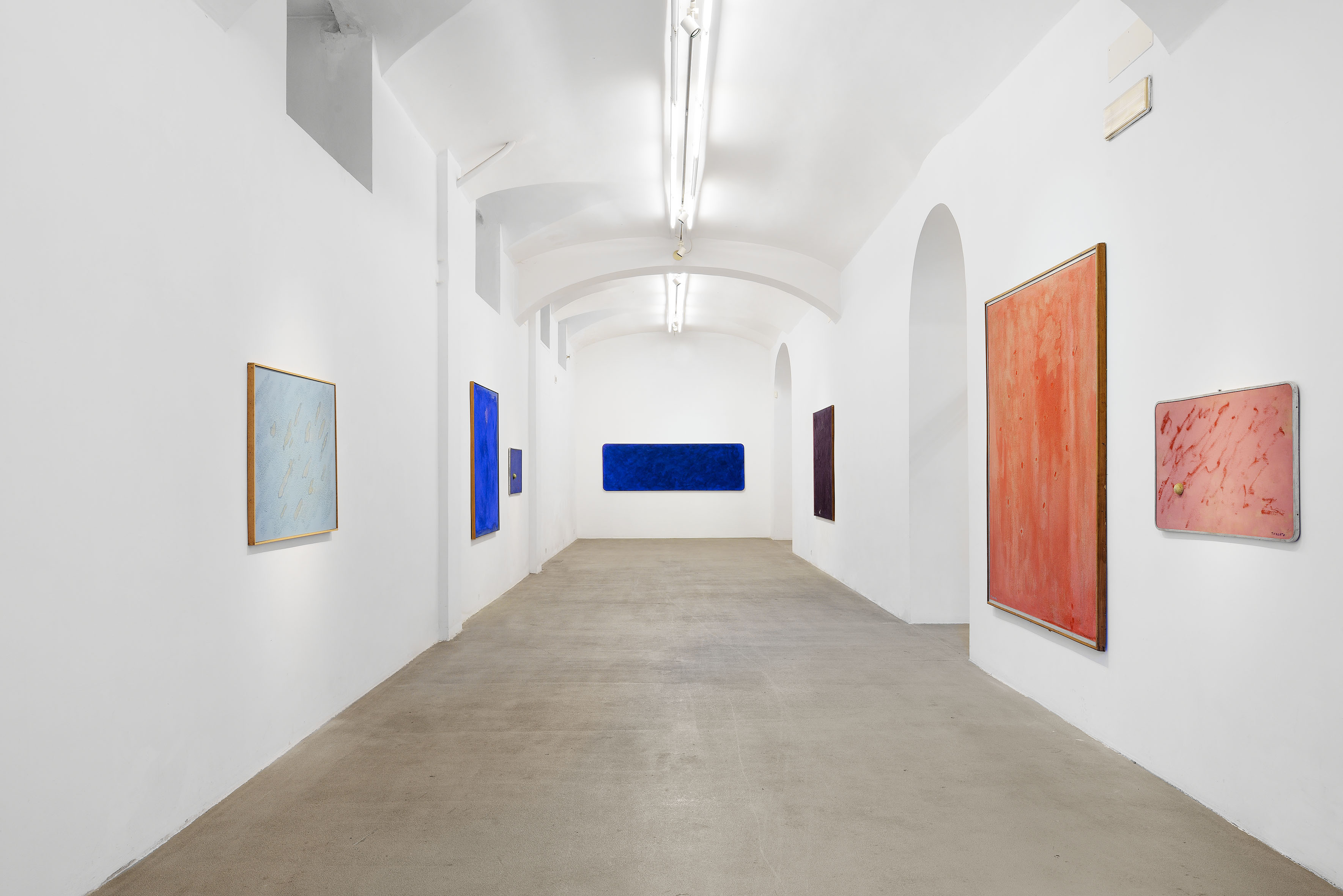
Founded in 2010 by collectors Giovanni and Valeria Giuliani, the Fondazione Giuliani per l’Arte Contemporanea is currently led by Director and Curator Adrienne Drake. At the core of the Foundation’s programme is a focus on research-driven exhibitions and new commissions, often providing early-career artists with their first institutional exposure in Rome. This is paired by an intergenerational and interdisciplinary approach that brings emerging and established practices into dialogue. The Foundation’s activities extend through collaborations with institutions in Italy and abroad, as well as through support for select external projects.
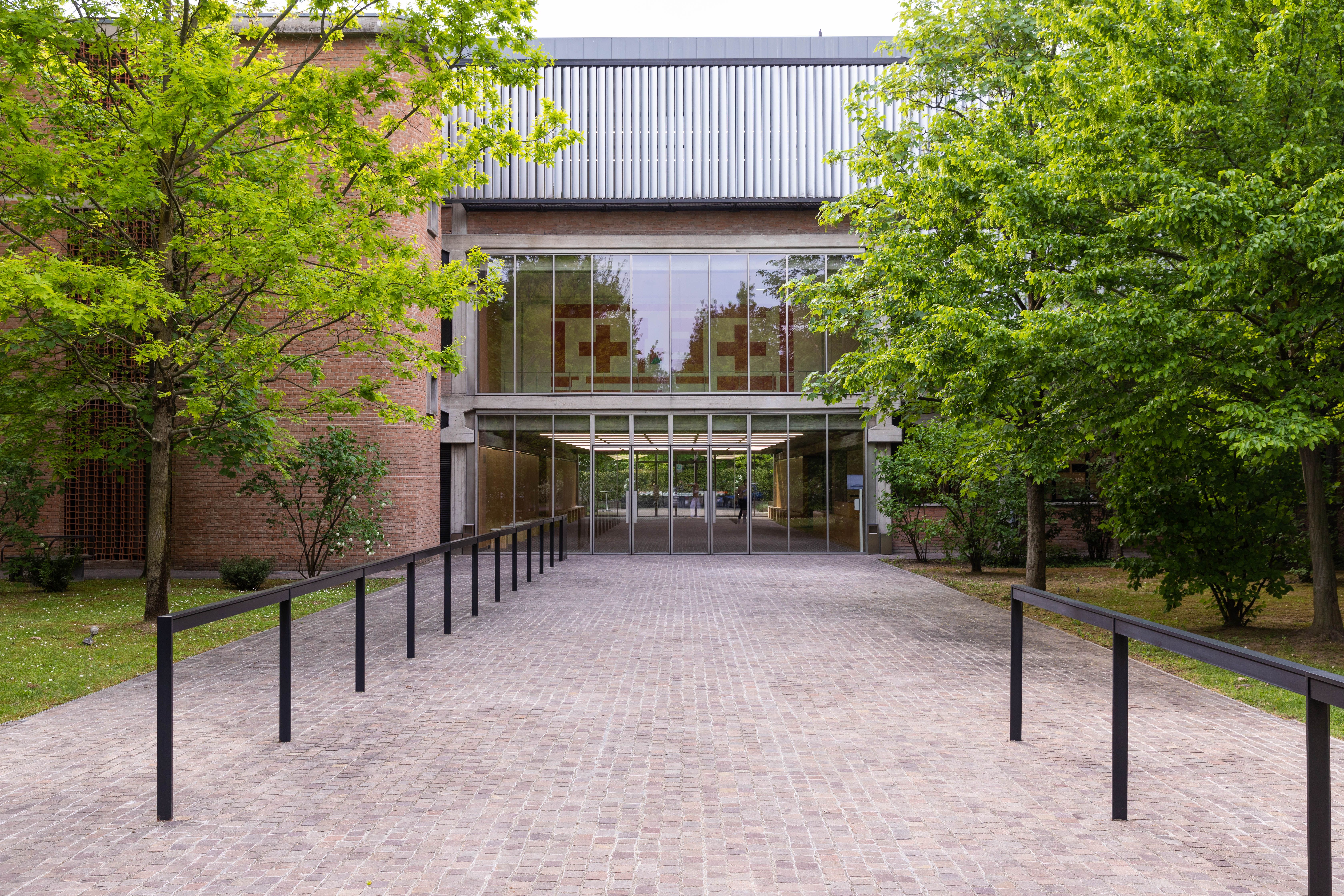
Collezione Maramotti was born from the initiative of Achille Maramotti, founder of Max Mara, with the intent of creating a publicly accessible contemporary art collection. The project materialized in 2007, when the spaces of the company’s former manufacturing plant in Reggio Emilia were transformed into the new exhibition seat, allowing industrial heritage to dialogue with artistic research. Alongside the permanent core, the Collection hosts temporary exhibitions, interpreting collecting as an open, evolving process.
Fondazione Morra Greco was founded in Naples in 2003 on the initiative of dentist Maurizio Morra Greco, evolving from the collecting core begun in the 1990s. In 2008, the Campania Region joined the Board of Directors and the foundation assumed a mixed legal form, in which private and public components coexist. This collaboration enabled the restoration of Palazzo Caracciolo di Avellino, which since 2019 has hosted an exhibition program focused on establishing a constant dialogue with the Neapolitan territory.
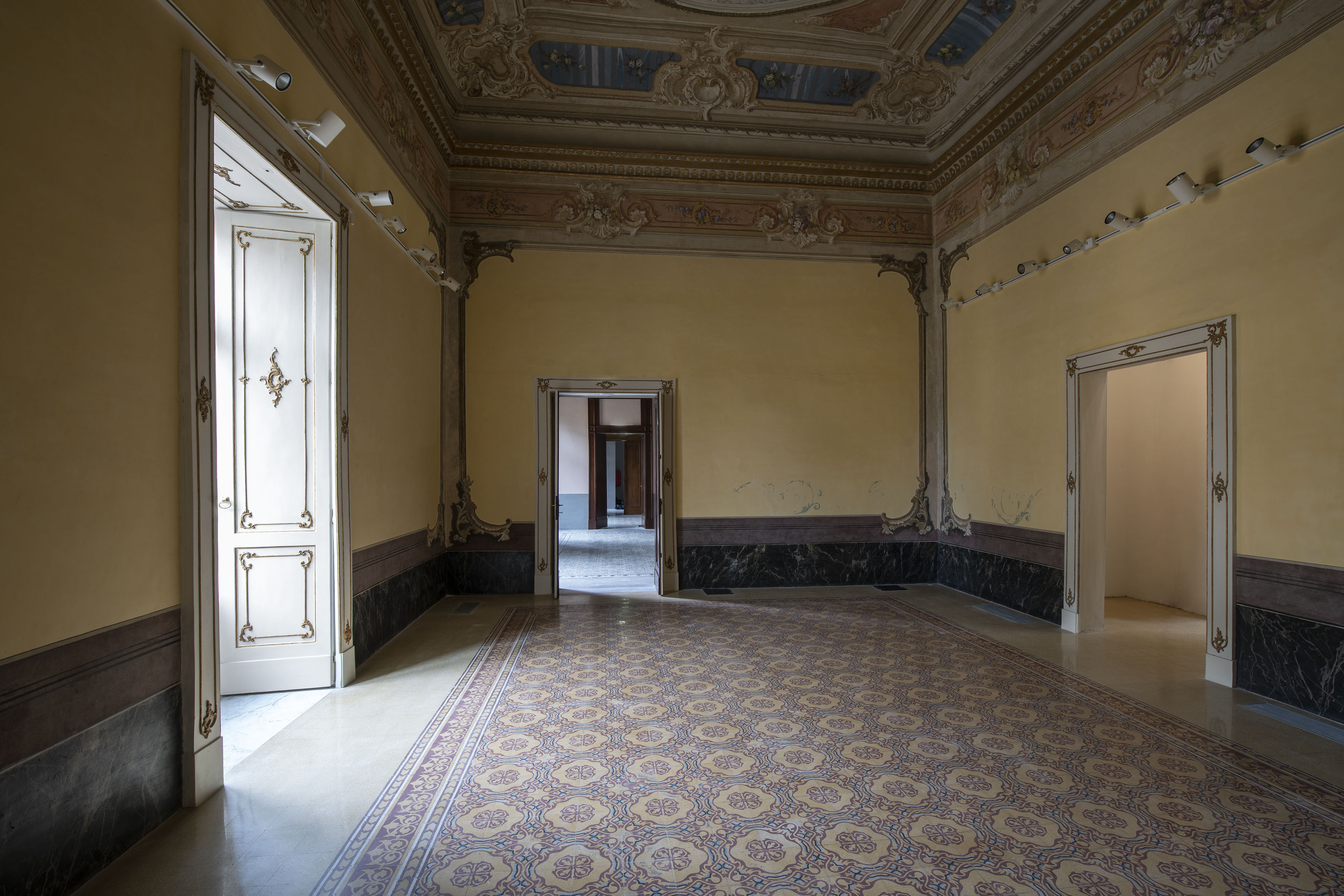
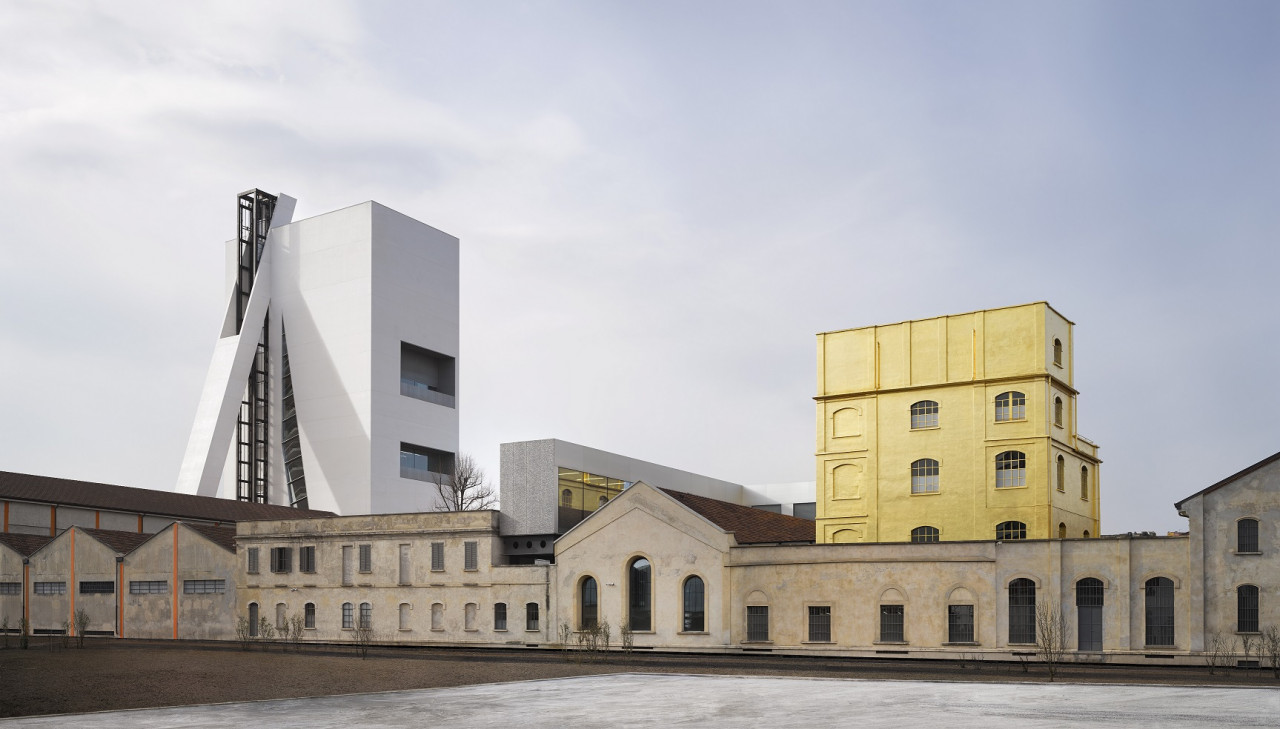
Founded in 1993 by Miuccia Prada and Patrizio Bertelli, Fondazione Prada is one of the most influential private institutions in the European cultural landscape. With venues in Milan and Venice, it promotes contemporary art projects alongside initiatives dedicated to cinema, philosophy, architecture, and social sciences. The Milanese headquarters, inaugurated in 2015 within a former distillery reimagined by Rem Koolhaas (OMA), is a complex where a plurality of spaces reflects the foundation’s multidisciplinary nature.
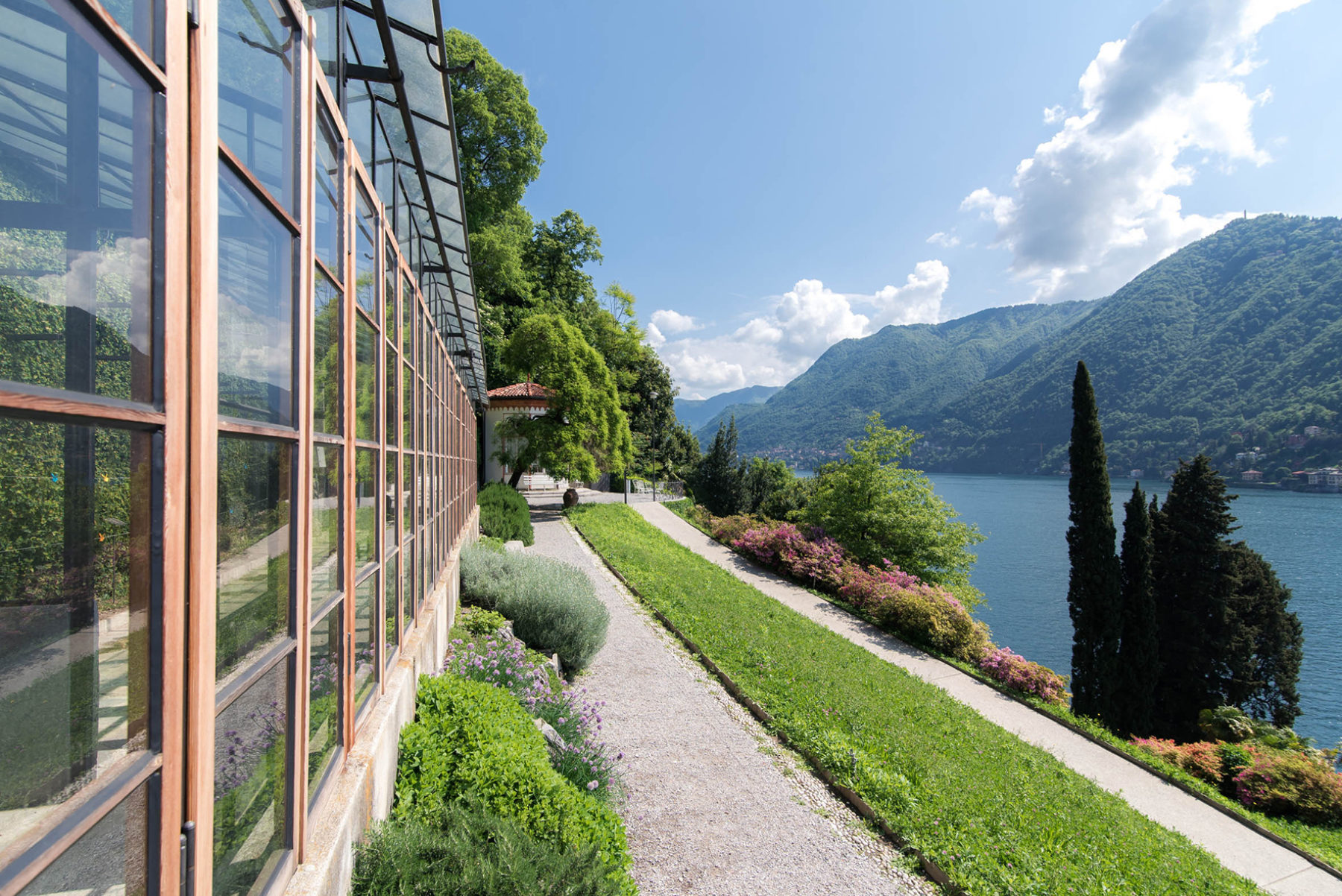
The Fondazione Antonio Ratti was founded in Como in 1985 by Antonio Ratti, with the aim of transmitting a passion for art and textile craftsmanship, preserving and enhancing the private collection. Chaired by Annie Ratti since 2002, the Foundation is based at Villa Sucota, a historic residence on Lake Como, which houses over 30,000 textile artefacts from around the world and a library of approximately 7,800 specialist volumes. Since 1995, the CSAV – Artists’ Research Laboratory programme has taken shape: a laboratory dedicated to young international artists that fosters experimentation and dialogue between historic textiles and contemporary artistic practices.
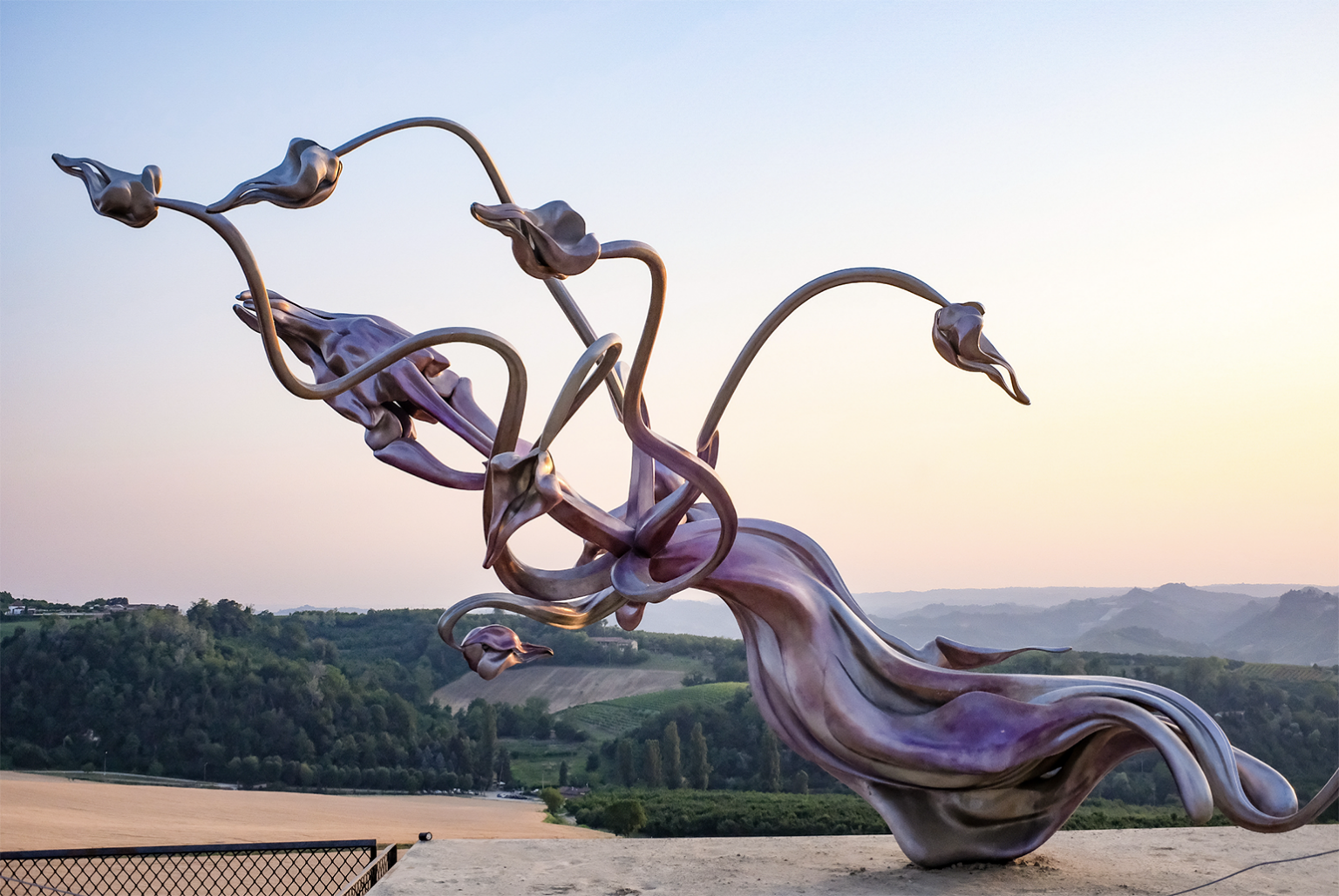
Fondazione Sandretto Re Rebaudengo was among the first private institutions in Italy to support international contemporary artistic research in a structured way, establishing itself as a pioneering institution. Born in 1995 from the collection of its founder Patrizia Sandretto Re Rebaudengo, it has developed a program centered on the idea of a “new patronage” focused on commissioning and production. Based in Turin, the foundation remains active in its original space in Guarene, while since 2019 its Art Park has integrated international installations directly into the Piedmontese landscape.
Born in Milan in 1996, Fondazione Nicola Trussardi is currently led by Beatrice Trussardi, who in 2002 appointed Massimiliano Gioni as artistic director. Since the following year, the foundation has adopted a nomadic model capable of redefining institutional ways of presenting contemporary art. Without a permanent seat, its exhibitions are hosted temporarily in symbolic and historical sites across Milan, transforming the city into a pervasive exhibition platform where art is woven into the daily urban fabric.
April 10, 2026

